WARRANTY
Boot Warranty
Every pair is backed by our 12-month manufacturer’s warranty against defects in materials and workmanship, wherever you bought them. Our policy is in addition to your rights under the Australian Consumer Law.
Any unauthorised alterations may take the footwear out of compliance with the safety standard, void its certification, and mean damage caused by the alteration isn’t covered by our warranty.
See our Warranty Policy for more details.
Manufacturing Faults
Think your boots have a manufacturing fault? You can claim directly with us using the button below. You’ll need proof of purchase and photos of the boots, the issue and the batch label.
Bought your boots from a stockist? We recommend contacting the store where you bought them first so they can assess the issue and assist with your claim. You can also contact us directly by clicking the button below about a product fault or manufacturer’s warranty claim. Please provide proof of purchase and details of the issue.
How long boots last depends on how they're used. Normal wear isn't a fault. When the outsole is worn through or the toecap is exposed, it's time to replace them.
SIZE GUIDE
Sizing is based on UK measurements, with foot dimensions shown in millimetres. Use this chart to match your fit.
| UK | US (MEN) | US (WOMEN) | EU | FOOT CM |
|---|---|---|---|---|
| 2 | 3 | 4 | 35 | 214 |
| 3 | 4 | 5 | 36 | 222 |
| 3.5 | 4.5 | 5.5 | 36.5 | 226 |
| 4 | 5 | 6 | 37 | 230 |
| 4.5 | 5.5 | 6.5 | 38 | 235 |
| 5 | 6 | 7 | 39 | 239 |
| 5.5 | 6.5 | 7.5 | 39.5 | 243.5 |
| 6 | 7 | 8 | 40 | 248 |
| 6.5 | 7.5 | 8.5 | 40.5 | 252.5 |
| 7 | 8 | 9 | 41 | 257 |
| 7.5 | 8.5 | 9.5 | 41.5 | 261 |
| 8 | 9 | 10 | 43 | 265 |
| 8.5 | 9.5 | 10.5 | 42.5 | 269 |
| 9 | 10 | 11 | 43 | 273 |
| 9.5 | 10.5 | 43.5 | 277 | |
| 10 | 11 | 44 | 281.5 | |
| 10.5 | 11.5 | 44.5 | 286 | |
| 11 | 12 | 45 | 290 | |
| 11.5 | 12.5 | 45.5 | 294 | |
| 12 | 13 | 46 | 298 | |
| 12.5 | 13.5 | 46.5 | 302 | |
| 13 | 14 | 47 | 306.5 | |
| 13.5 | 14.5 | 48 | 310.5 | |
| 14 | 15 | 49 | 315 | |
| 15 | 16 | 50 | 323 |

LOOK FOR
- Paper taped flat against a wall
- Heel lightly touching the wall
- Full body weight on the measured foot
- Longest toe marked, not just the big toe
- Widest forefoot points marked
- Both feet measured late in the day
AVOID
- Measuring only the smaller foot
- Tracing while sitting
- Using old measurements after weight,age, pregnancy, injury, or training changes
- Ignoring sock and insert thickness
- Treating brand size charts asinterchangeable
- Assuming length solves width or volume
FIT & COMFORT
Boots should work with your feet, not against them. Here’s how ours fit right from the start.
Find Your Fit
A proper fit depends on more than foot length. While length is the most important measurement, the width of your forefoot and the height of your instep also affect comfort and fit. Our half sizes are the same length, but offer more width and height. Size charts are a useful guide when you can’t try footwear on, but they only estimate size based on foot length. For the best fit, we recommend trying your boots or shoes on before making your final choice.
What Makes the Fit
- Shaped to match natural foot contours
- Roomy toe box without slipping
- Built-in arch support
- Heel lock to prevent rubbing
Fit Tips
- Try boots on late in the day
- Wear the socks you’ll use for work
- Size up for Workwear if in between, size down for Everyday
BOOT CARE
Simple steps to keep your boots in working condition for longer.
Full-grain Leather
Wipe clean with a damp cloth and allow to dry naturally. Condition the leather regularly to maintain flexibility and prevent drying or cracking. Avoid direct heat.
Nubuck Leather
Brush gently with a nubuck or suede brush to remove dirt. Use a nubuck cleaner when needed and apply a protective spray to help repel water and stains. Do not use leather conditioner.
Suede
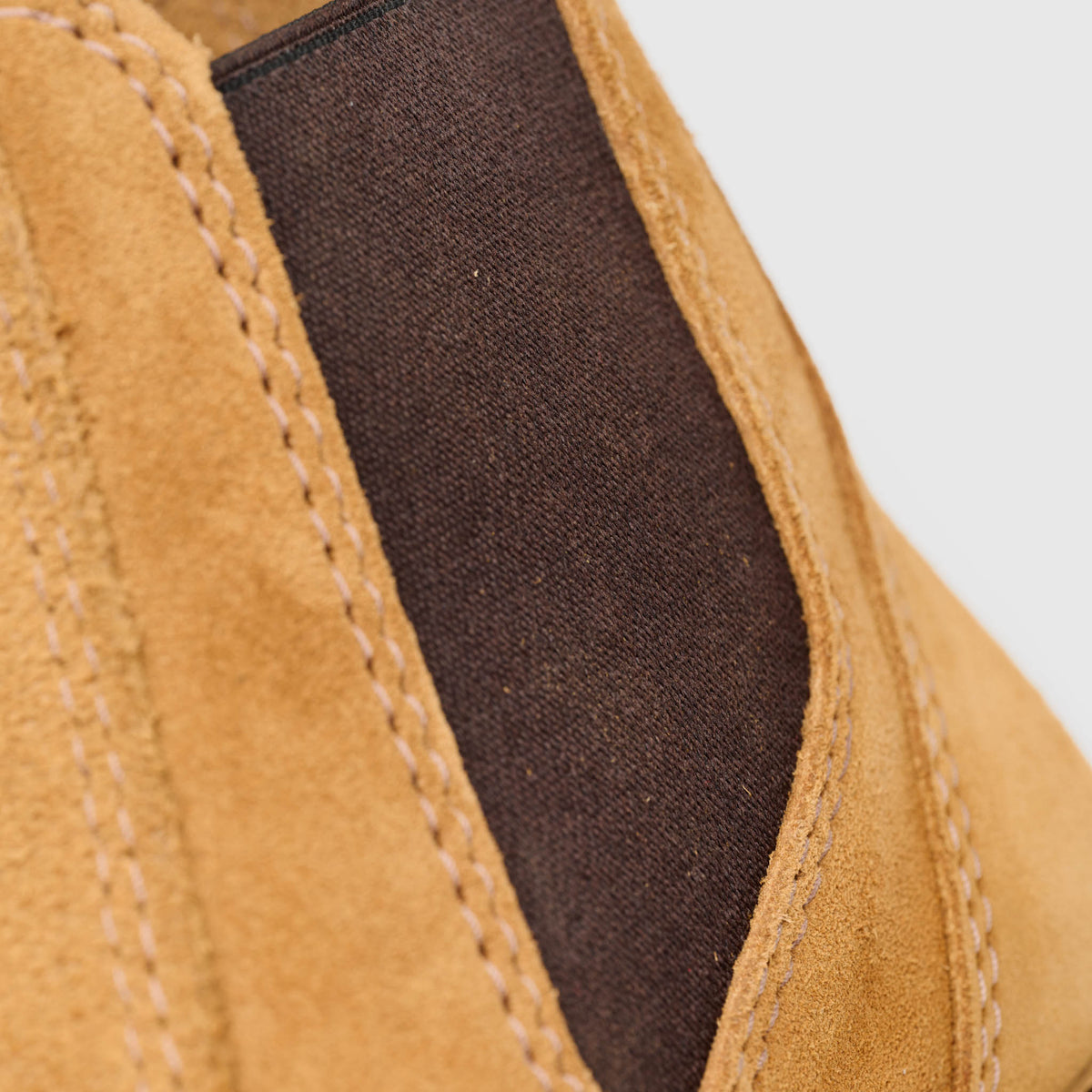
Use a suede brush to lift dirt and restore texture. Spot-clean with a suede cleaner and apply a water-repellent spray for protection. Avoid getting suede saturated and keep away from heat sources.
Aquapel Leather
Brush off dirt, wipe clean, and let the boots dry naturally. Reapply the water-repellent treatment as needed, especially after wet conditions. Avoid heat and use only cleaners suited to treated leather.
SAFETY STANDARDS
Our work boots meet some of the toughest safety benchmarks in the world. Here’s what we build to.
Your Redback Boots are craftsman-made to various standards (noted below) and are suitable for general purpose industrial and agricultural use. Redback has a quality assurance system certified to ISO9001:2015 by DNV.
DNV Certificate no. 266994-2018-AQ-AUS-JAS-ANZ
Certifications
AS 2210.3:2019
Certificate: BMP 723994
Key Features:
- Class I – Toe protection
- Slip resistance
Common safety features
Slip-Resistant
Soles are tested to global safety standards to support traction on surfaces exposed to oils, acids, and water.
Steel-Safety Cap
Steel Safety Cap meets and exceeds global safety standards for Impact and Compression.
Electrical Hazard Protection
Designed to meet and exceed global safety standards, providing maximum insulation from contact with live electrical sources.
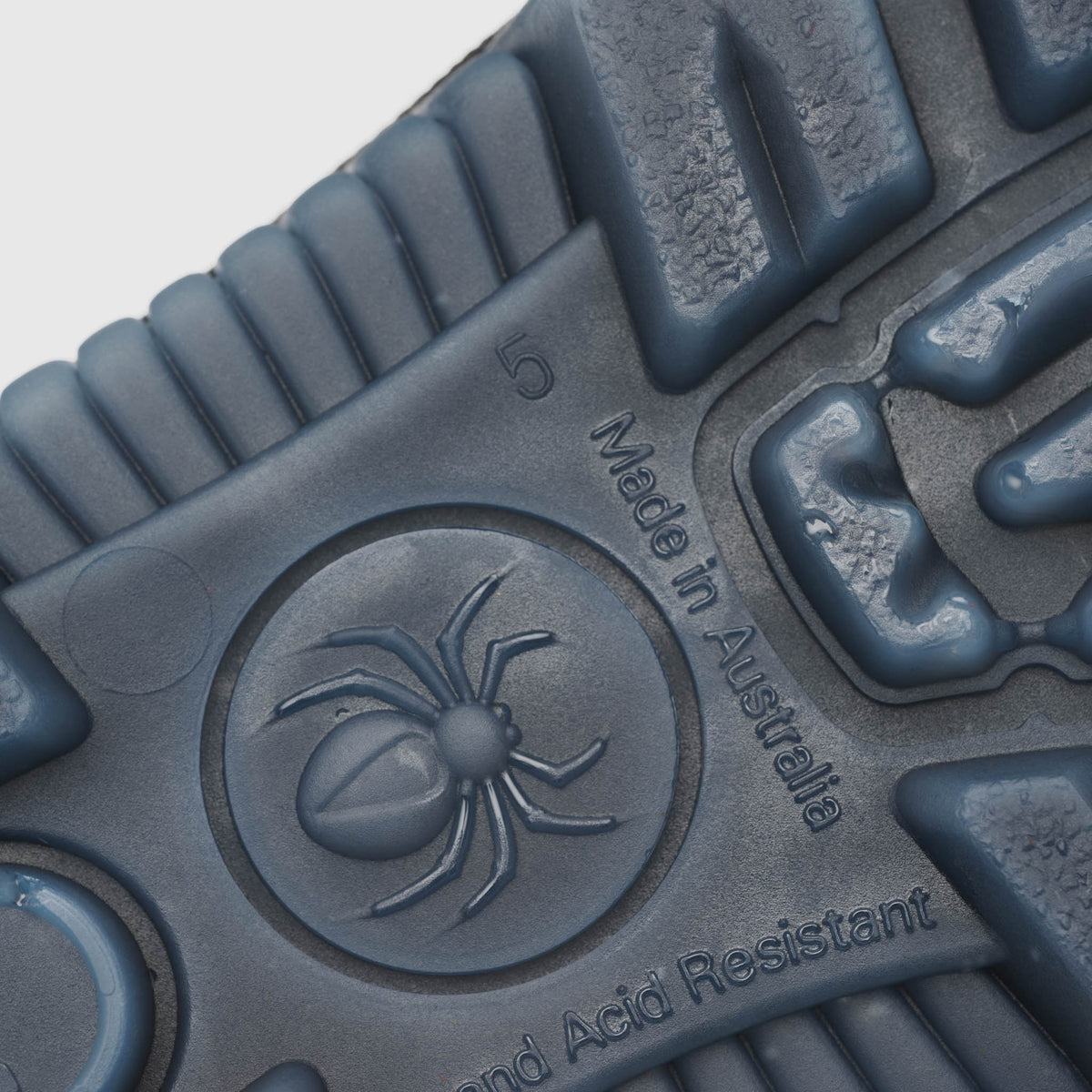
Redback TPU/PU Soles
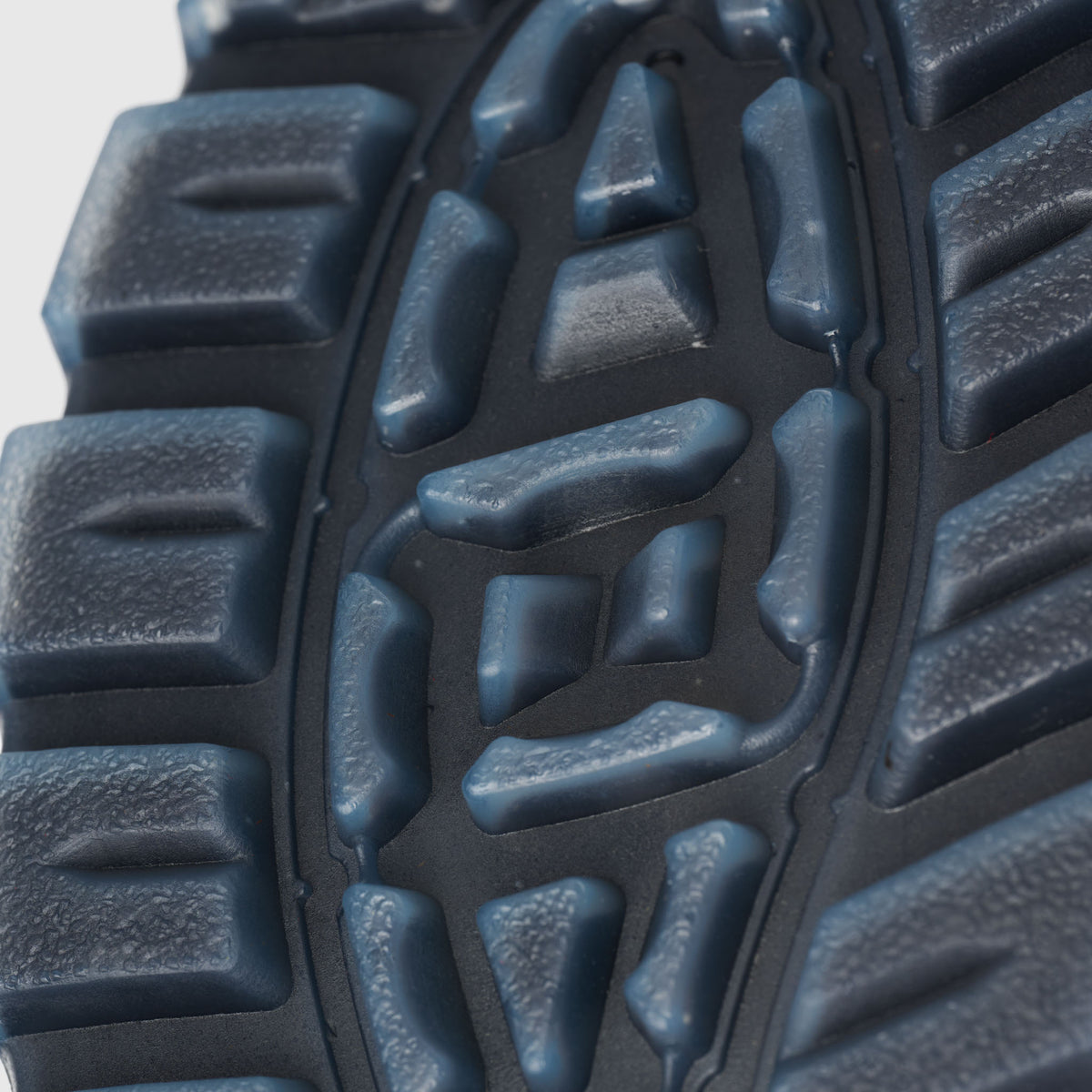
Redback Boots have a hard wearing TPU outsole and light, shock absorbing midsole. The wearer should note the following:
- Heat - The maximum temperature the soles can be exposed to is 130°C for occasional contact and up to 110°C for prolonged contact.
- Chemicals - Whilst your boots have good general oil resistance, exposure to strong acids and alkalis (>10% concentration ) should be avoided i.e. Hydrochloric and sulphuric acid and caustic soda.
Any unauthorised alterations to footwear such as mechanical stretching or adding of vent holes is discouraged as it may:
- take the footwear out of compliance with the applicable safety standard
- void any approval, warranty or certification of the footwear
- reduce the effectiveness of the footwear